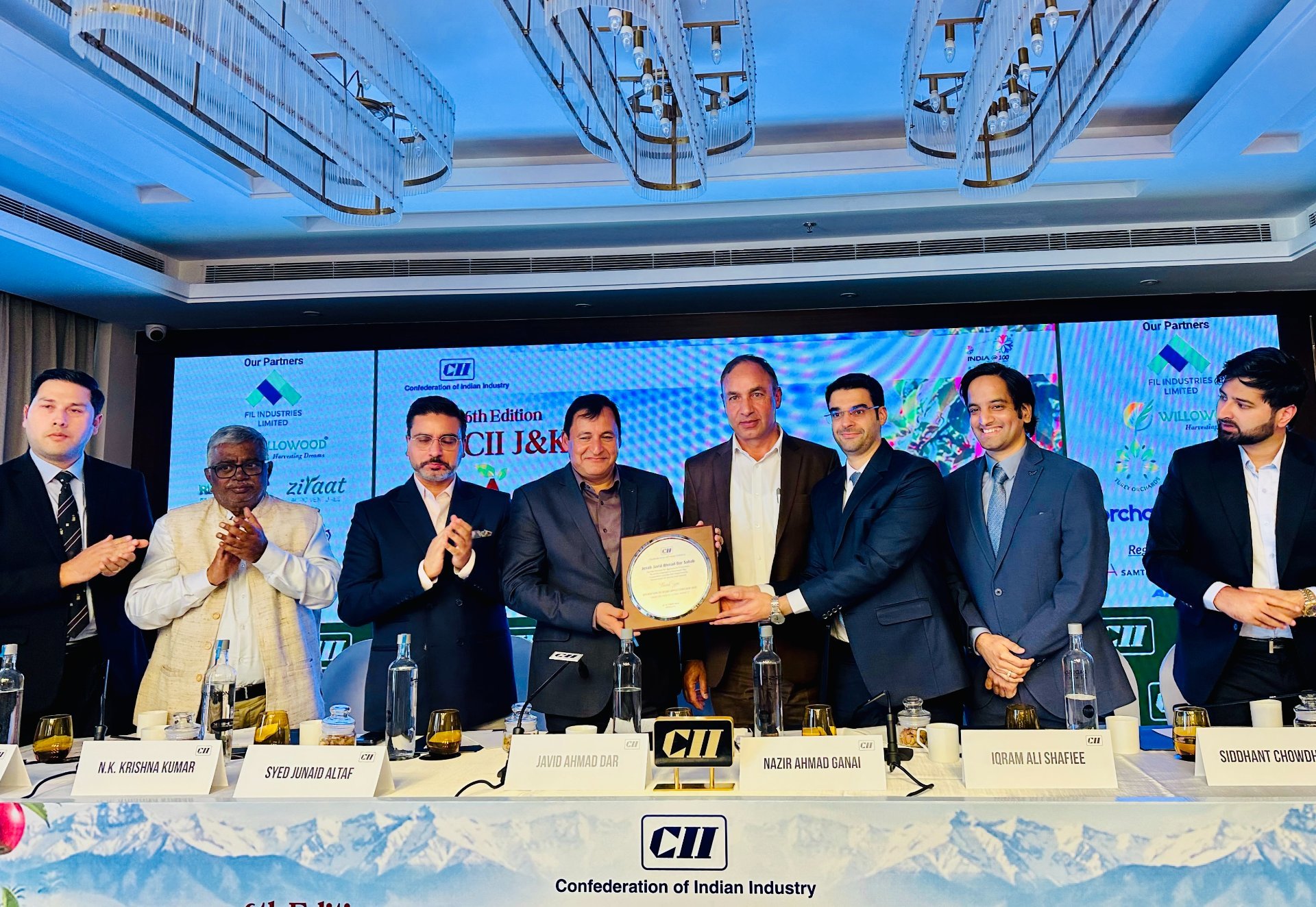
6th Edition CII J&K Apple Conclave
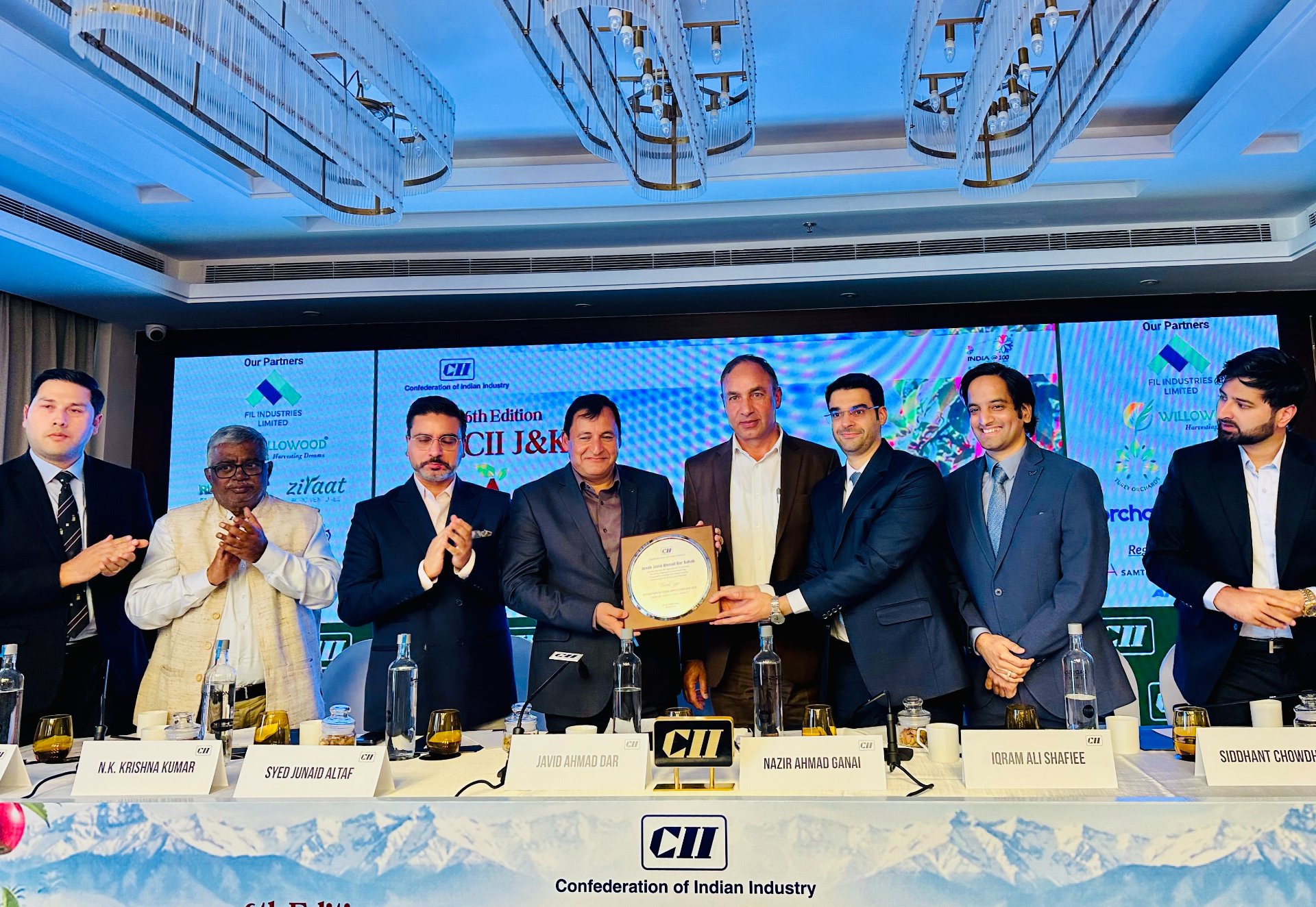
6th Edition of the CII J&K Apple Conclave
Strategic Roadmap for the Horticulture Sector
The 6th Edition of the CII J&K Apple Conclave established a strategic framework for transitioning the regional horticulture sector from a production-centric model to a value-driven, sustainable, and globally competitive economy.
Strategic Focus Areas
The discourse identified four pillars for sector transformation:
Value Chain Optimization: Prioritizing grower profitability by enhancing logistics, cold-chain infrastructure, and access to premium markets.
Technological Integration: Accelerating the adoption of high-density plantations and precision agriculture to improve yield quality.
Diversification: Mitigating risk through the cultivation of high-value alternatives, including mushrooms, spices, and floriculture.
Institutional Synergy: Strengthening the interface between academic research and industry requirements to foster innovation and human capital.
Key Highlights and Policy Environment
Industry stakeholders and government representatives identified critical levers for growth:
Infrastructure: The necessity of robust cold-chain and reefer transport was underscored as essential to maintaining product quality and reducing reliance on imported fruit.
Governance and Ease of Doing Business: Flagship initiatives, such as the Holistic Agriculture Development Plan (HADP) and the J&K Sustainable Investment Policy (JK SIP), are central to incentivizing entrepreneurship. Furthermore, the introduction of a "deemed approval" mechanism for No-Objection Certificates (NOCs) aims to streamline industrial operations.
Economic Potential: The sector is positioned as a primary driver for regional income growth, with potential to emulate successful global high-value agricultural models.
Major Takeaways and Outcomes
The conclave concluded with a consensus on several actionable outcomes:
Sustainable Development: A "Sustainable Mountain Development Policy" is proposed to ensure agricultural advancement remains in harmony with the local ecosystem.
Research Funding: To reduce dependency on government grants, participants proposed a "research cess" on industry and tourism to create a sustainable, long-term funding stream for university-led R&D.
Capacity Building: A strategic shift is required to transition the region from an importer to an exporter of high-density planting material, targeting both domestic and Central Asian markets.
Industry Evolution: The next decade will be defined by the adoption of pesticide-free certification, the implementation of cooperative models for collective bargaining, and a commitment to continuous innovation.